Victorian Vision: First Glimpse at Hong Kong

Updated 4 min read
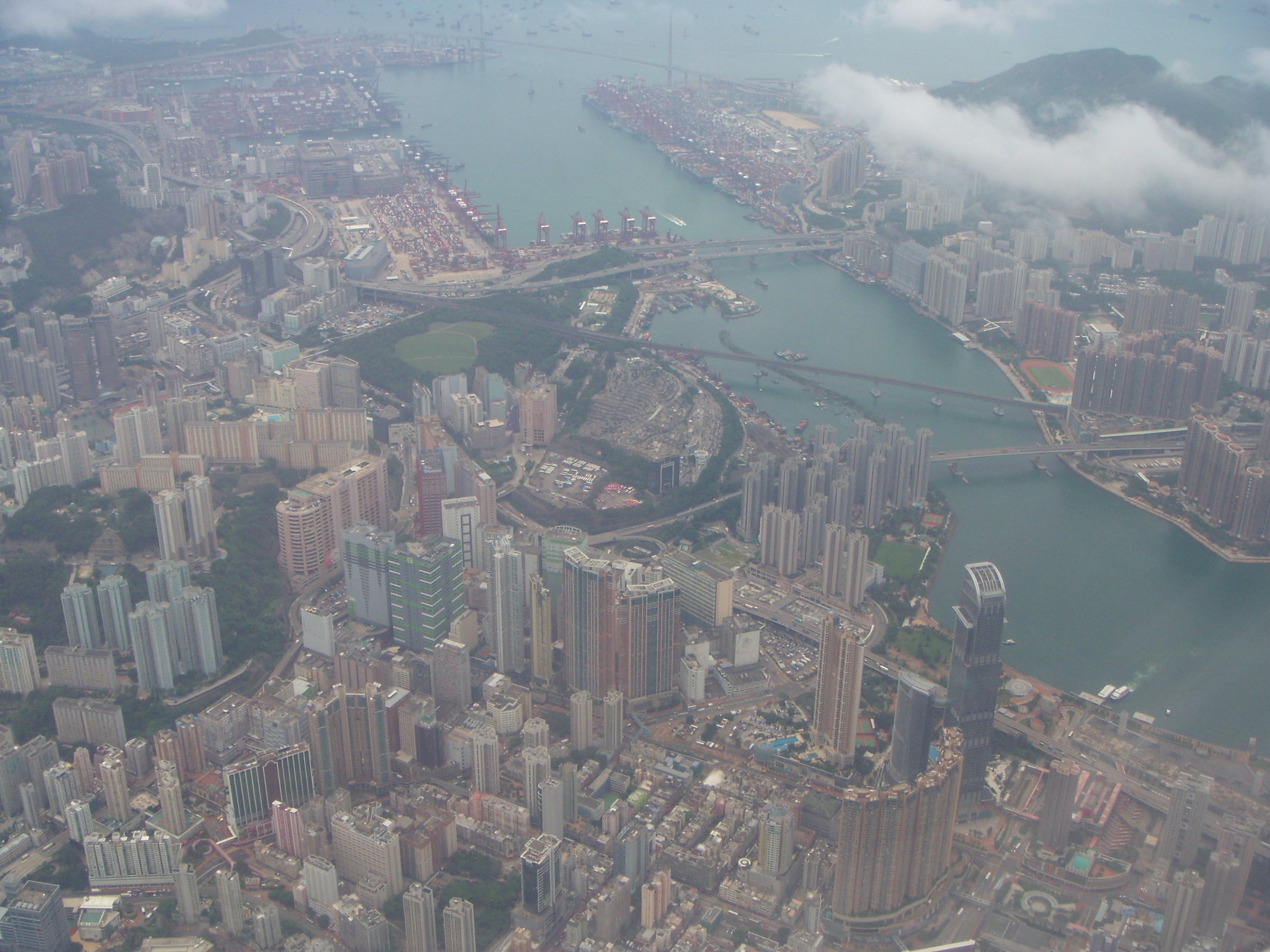
Descending into Hong Kong last Thursday, the skies were only partly cloudy, offering a rather clear view of Hong Kong and the surrounding islands. In fact, throughout my stay, I was told repeatedly by hotel staff and tour guides that I had just missed the rains and gray skies from the week prior when Hong Kong felt the effects of Typhoon Ma-On. Hong Kong typically sees about six to eight typhoons per season, which lasts from May to September, one of my tour guides told me.
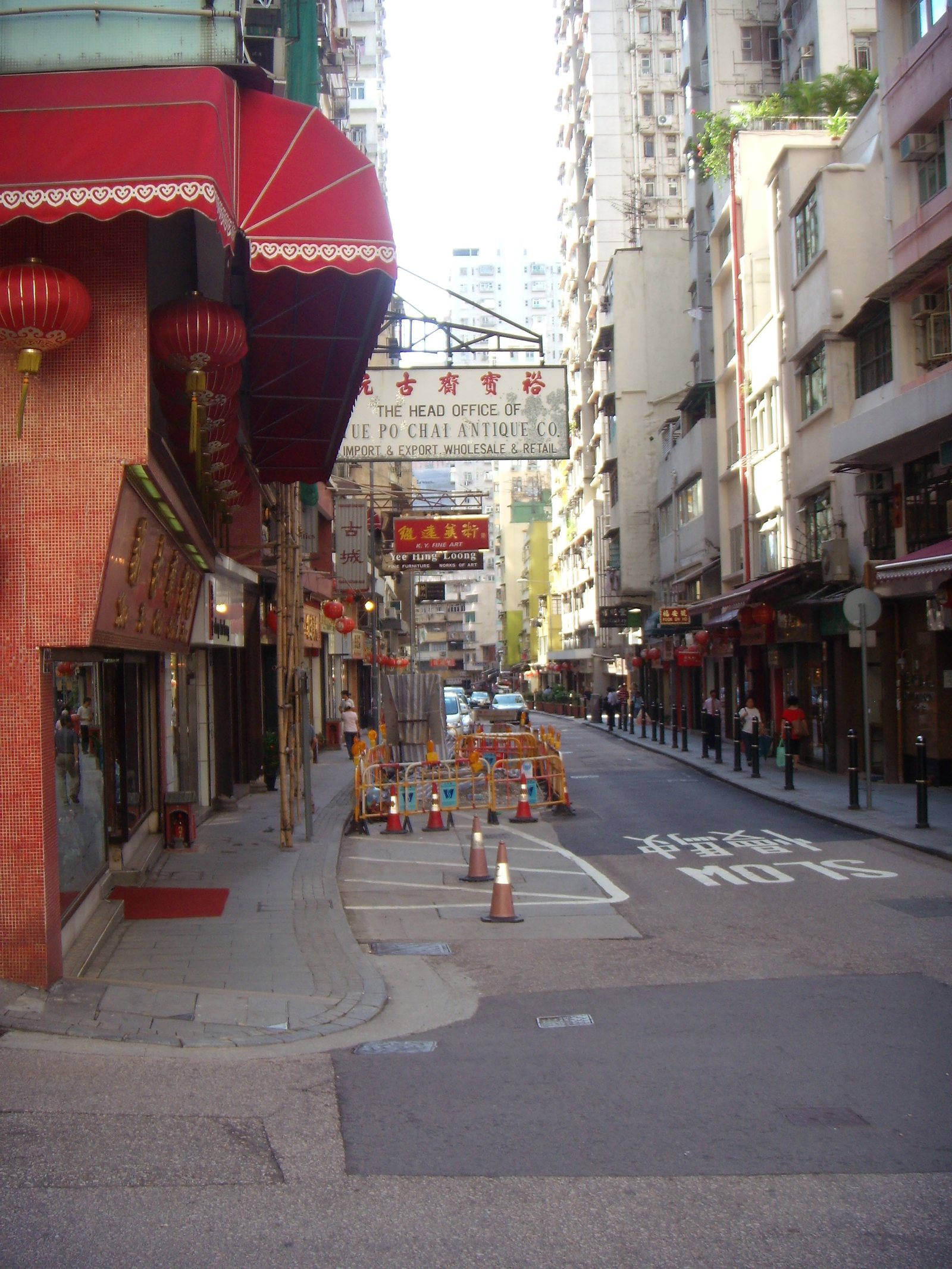
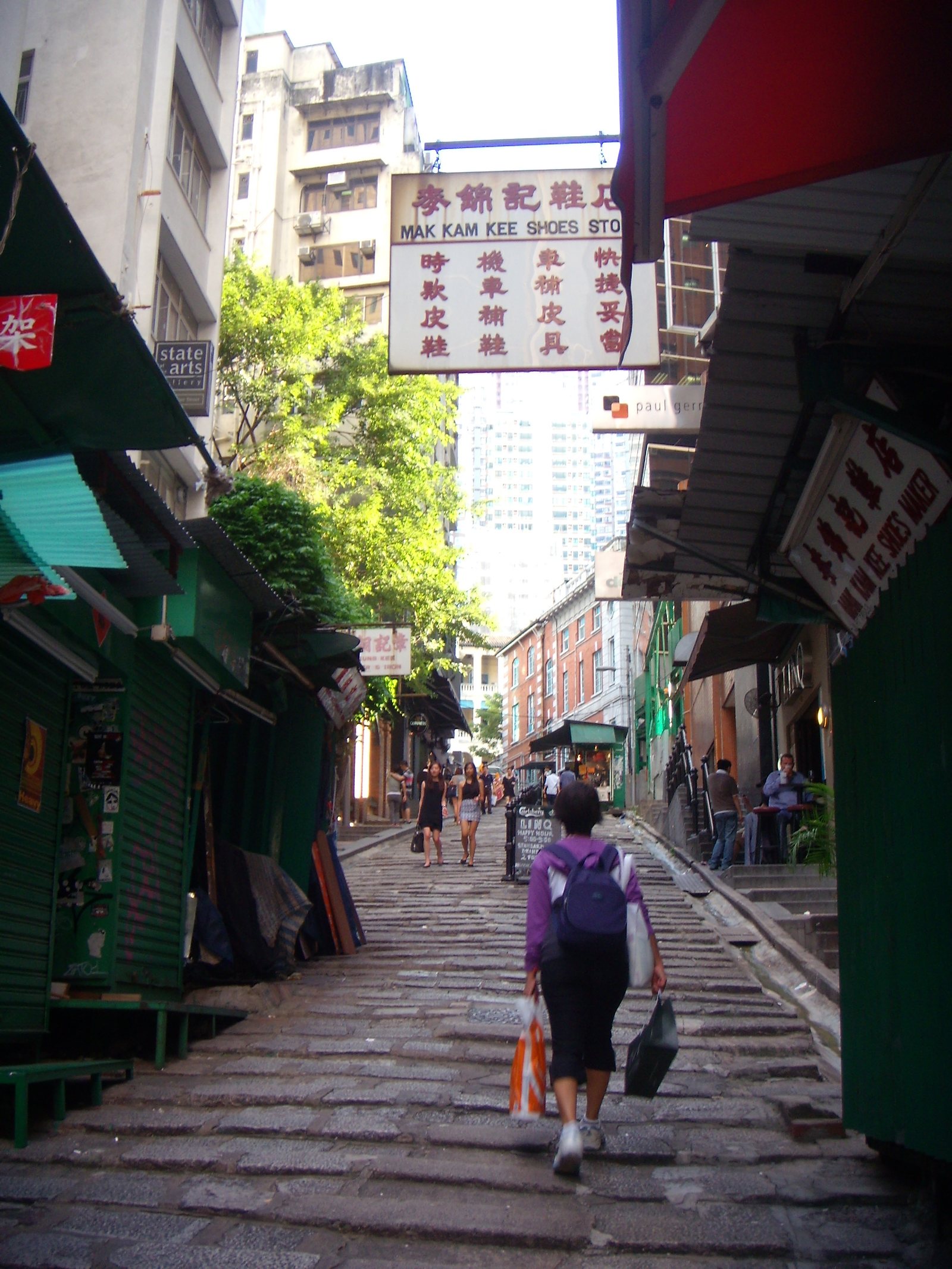
It was mid-afternoon when I arrived, so I decided to explore the city on my own and save the tours of major sites for the next two days. The concierge at my hotel in Kowloon suggested taking the subway to “Central,” walking along Hollywood Road, up Pottinger Street, toward the Central district of the city. So I did.
Hollywood Road was the second road built in Hong Kong after it became a colony. The first was Queen’s Road Central. However, the Sheung Wan portion of Hollywood Road is identified as the “possession point” from where the British launched their occupation of Hong Kong on Jan. 24, 1841, after China ceded the island to the British.
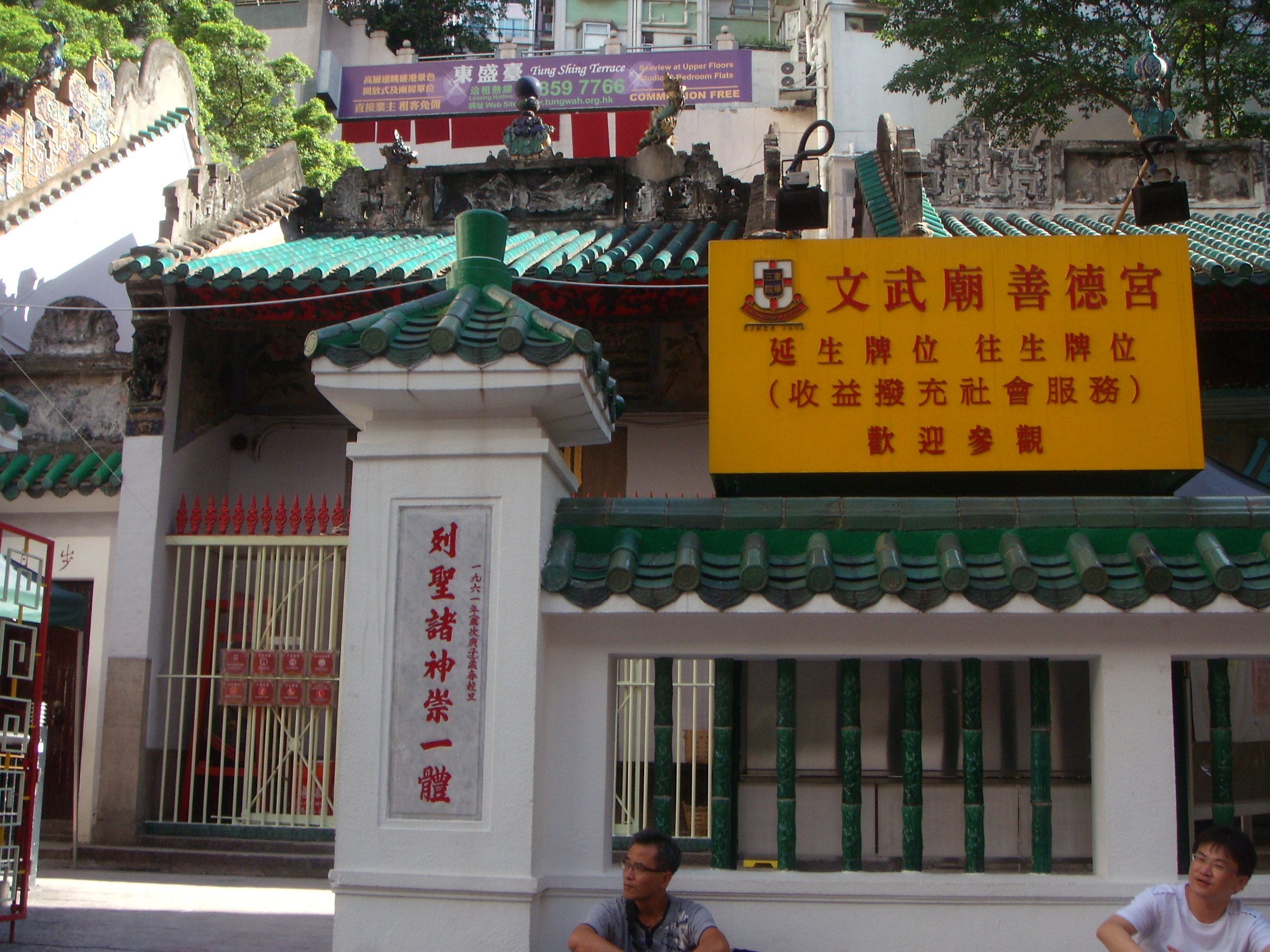
Here, I paid a visit to the Man Mo temple, a Taoist temple built by Chinese merchants between 1847 and 1862, and entrusted to the Tung Wah Hospital in 1908 (this hospital group provides welfare services for the underprivileged and natural disaster victims, according to its website.) The temple was officially declared a monument only last year under the Antiquities and Monuments Ordinance.
The temple is meant for worship of Man Cheong, the Taoist god of literature, and Mo Tai, the Taoist god of martial arts. However one block of the temple, the Lit Shing Kung, is dedicated to the worship of all heavenly gods.
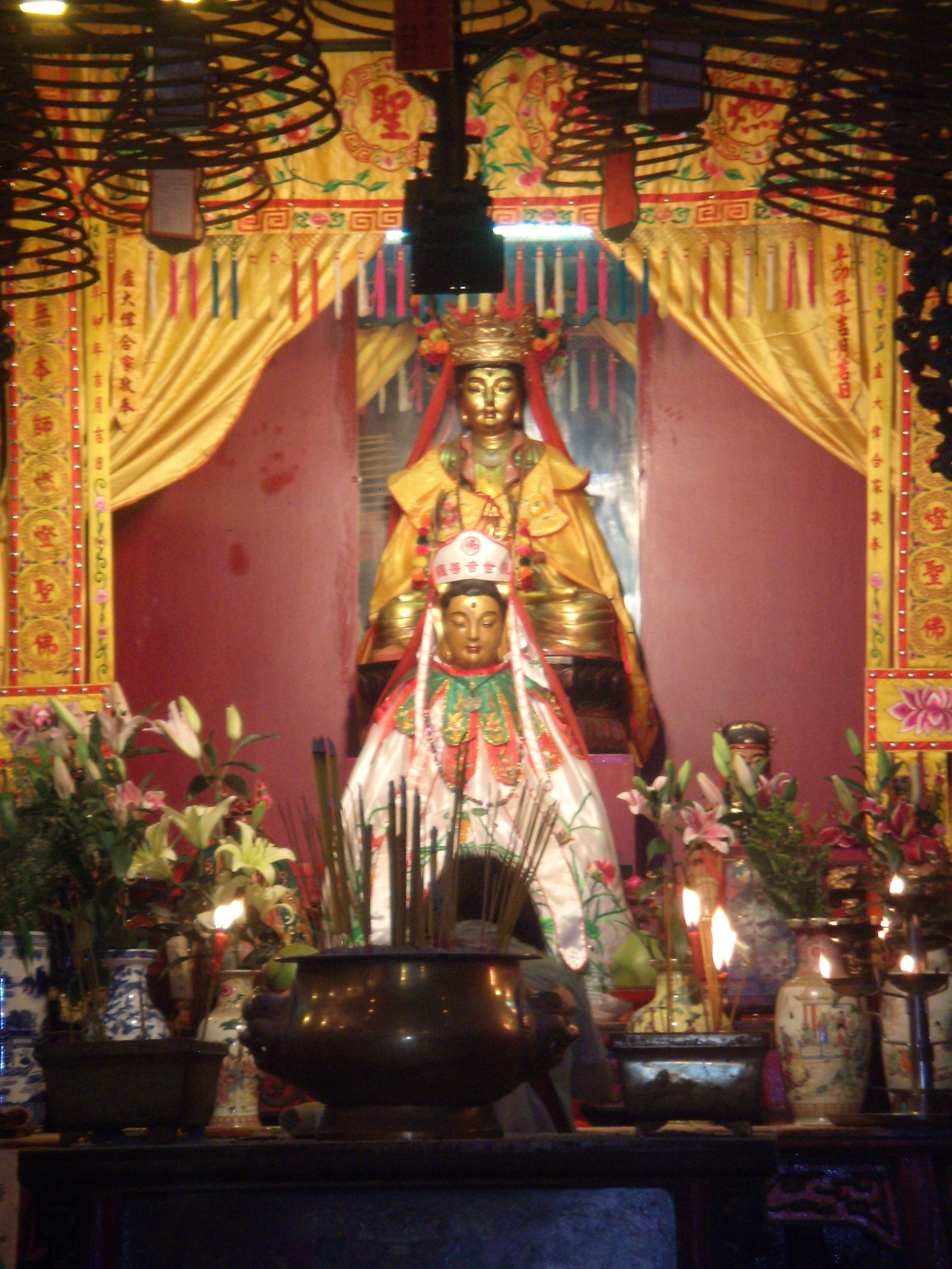
Additionally, the Chinese within that area once used this temple as a meeting place to resolve community disputes.
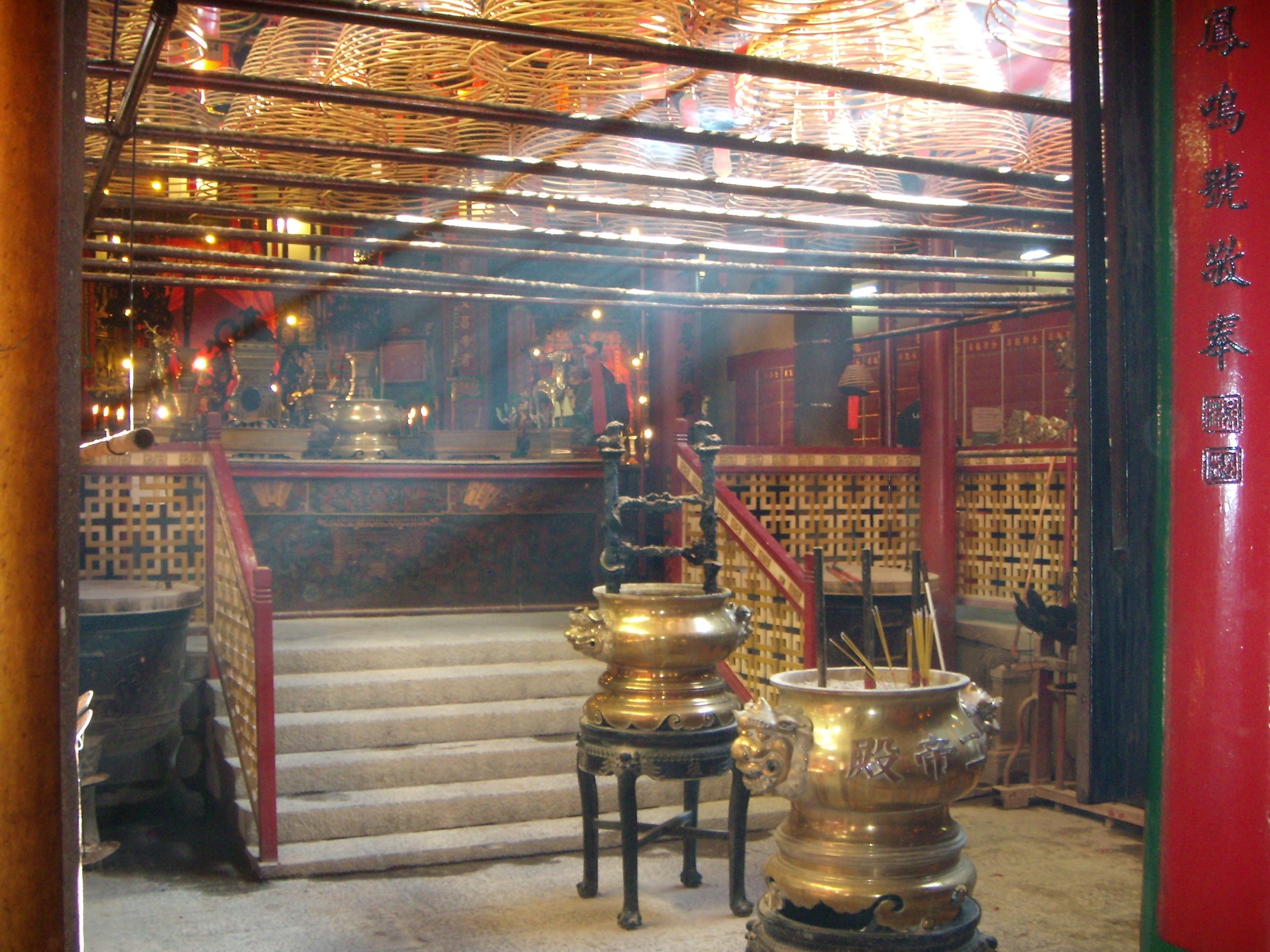 From the temple, I walked toward the main part of the city, passing several antique stores and French restaurants along the way. Hollywood Road is known for these antique shops, which are filled with memorabilia from the Ming dynasty (1368- 1644).
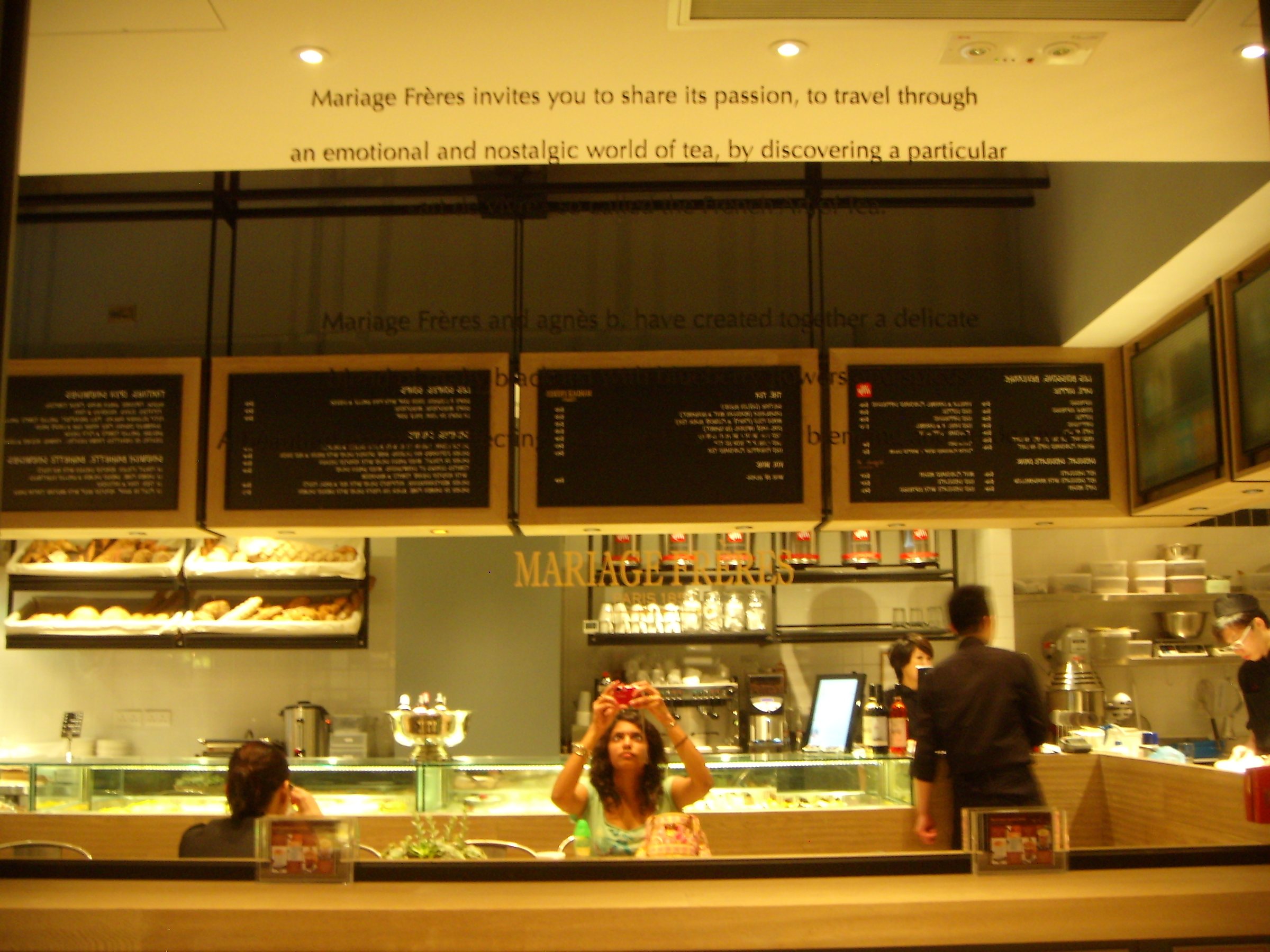
I was initially surprised by the presence of so many French restaurants and French people in Hong Kong. I knew it had been a British colony, but was unaware of its French connections. But Hong Kong apparently plays host to the largest number of French people in Asia — 12,000 registered, 15,000 estimated— with about 600 French-related companies employing 40,000-plus people in the territory, according to the French Chamber of Commerce and Industry in Hong Kong. Because it’s so easy to set up a private limited company in Hong Kong— and because it’s the second-highest buying power in Asia— the French view this as an “efficient market,” according to the Chamber.
After enjoying a roasted vegetable baguette sandwich at one of the newer French restaurants along the street (I could tell, because the chef was being interviewed by a reporter), I headed toward the Central district of the city.
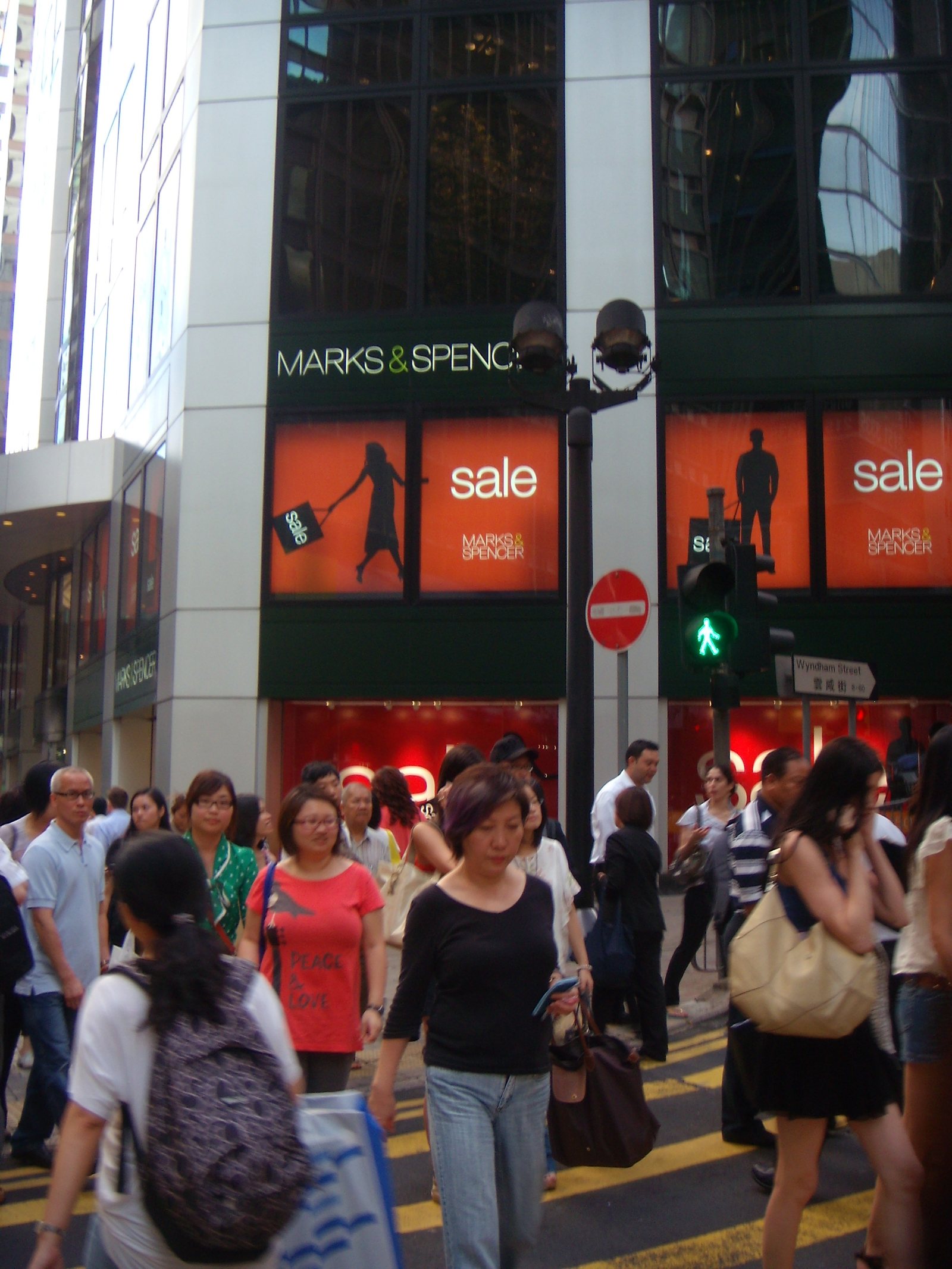
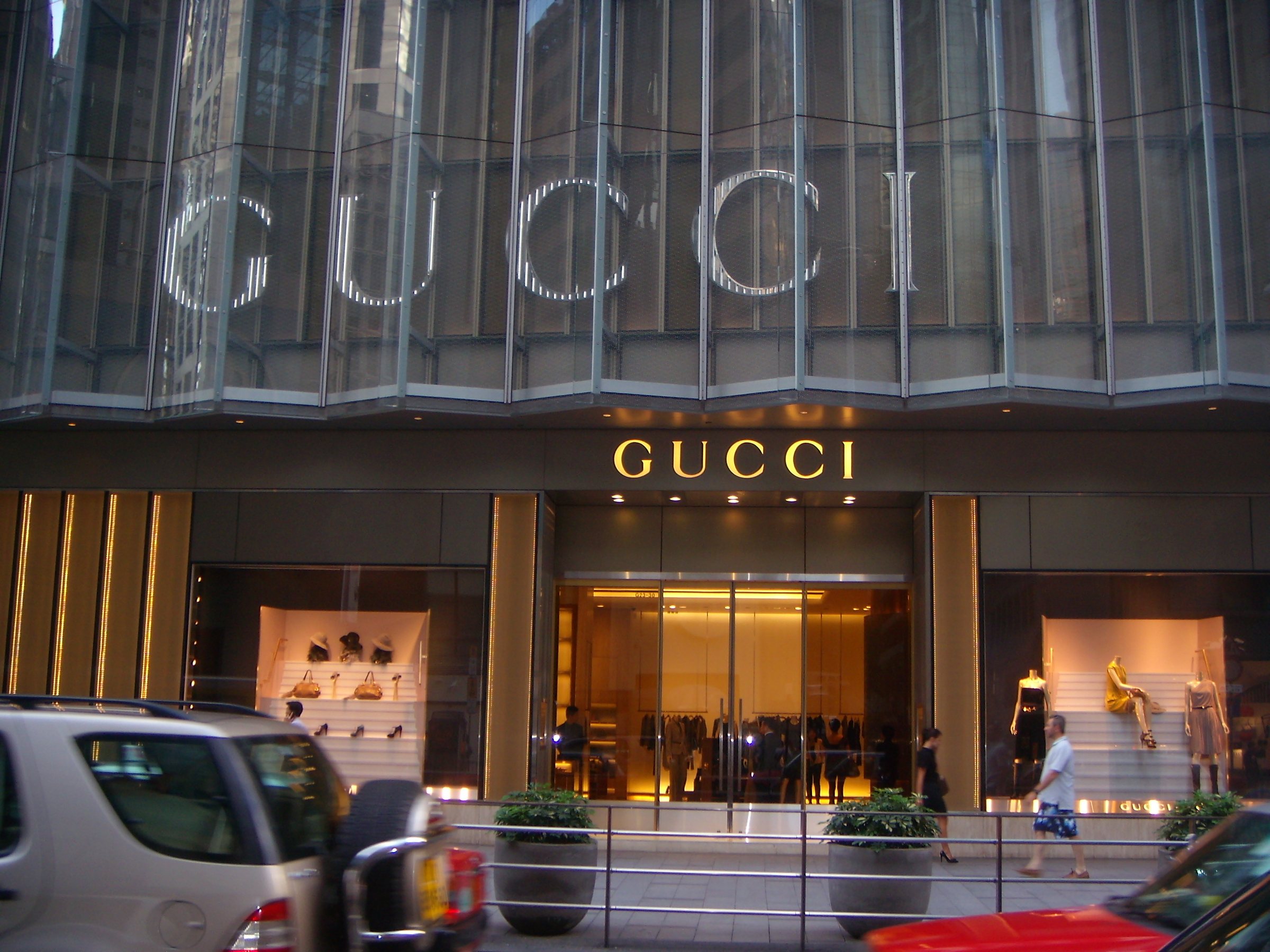
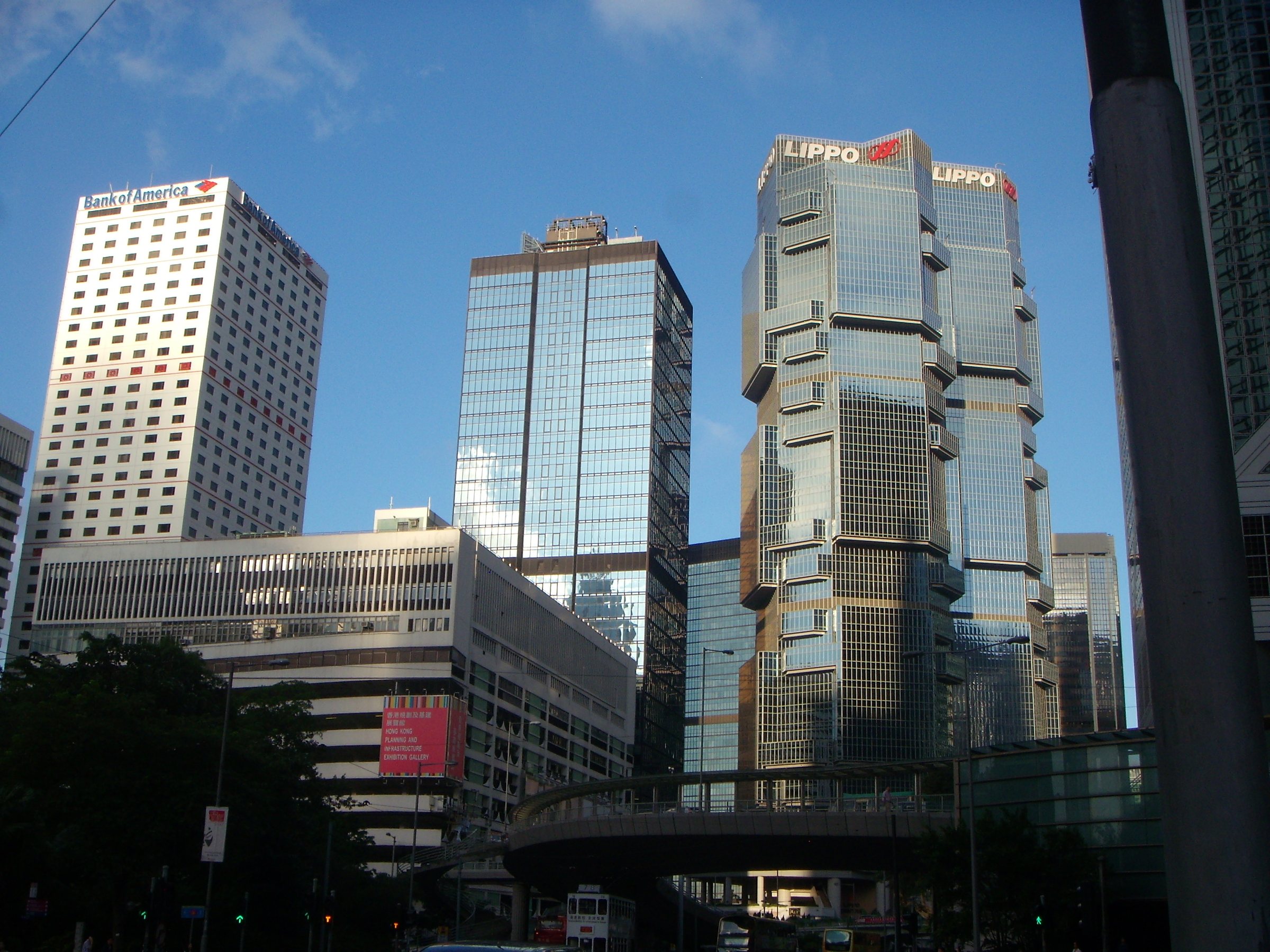
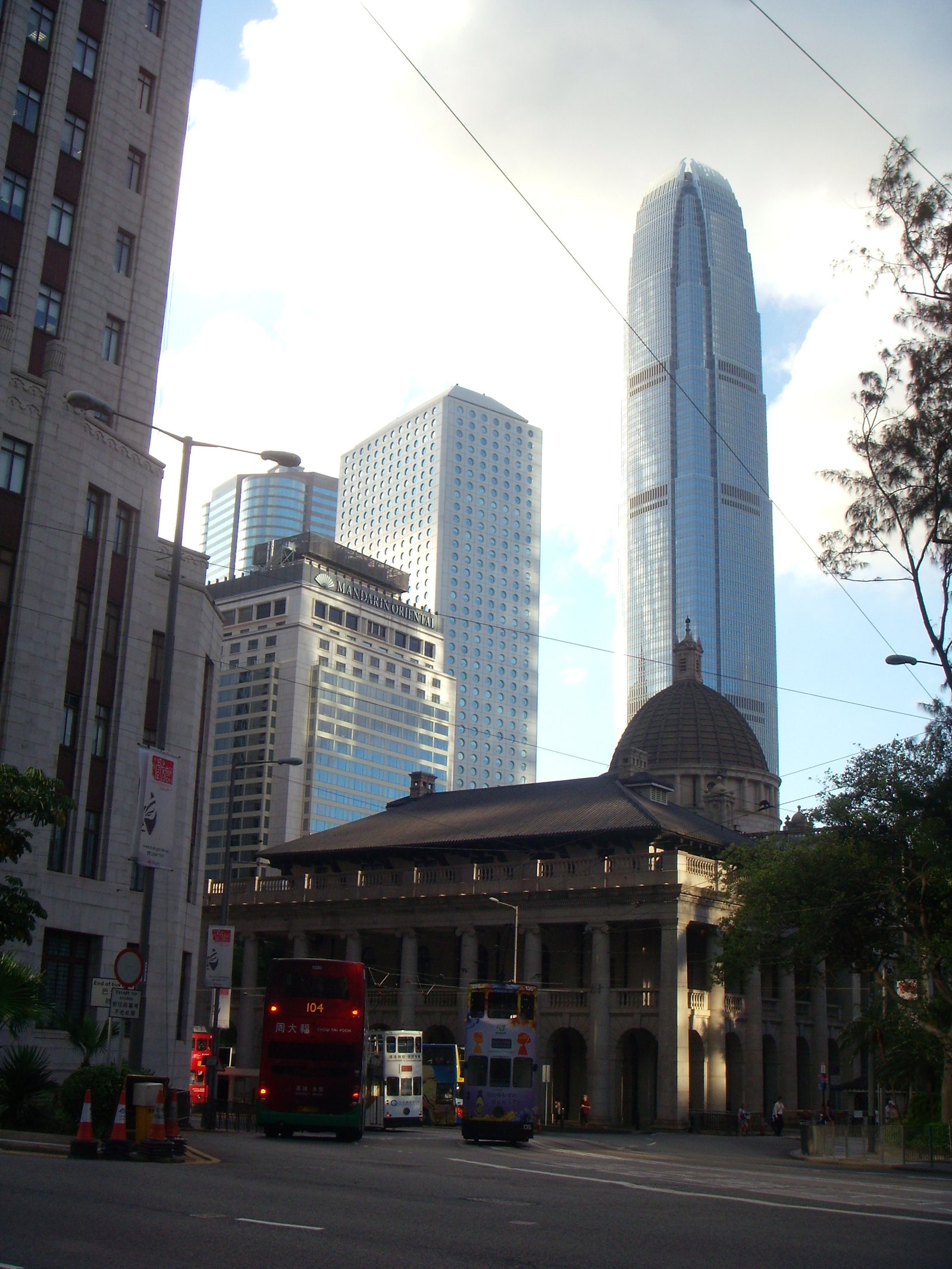
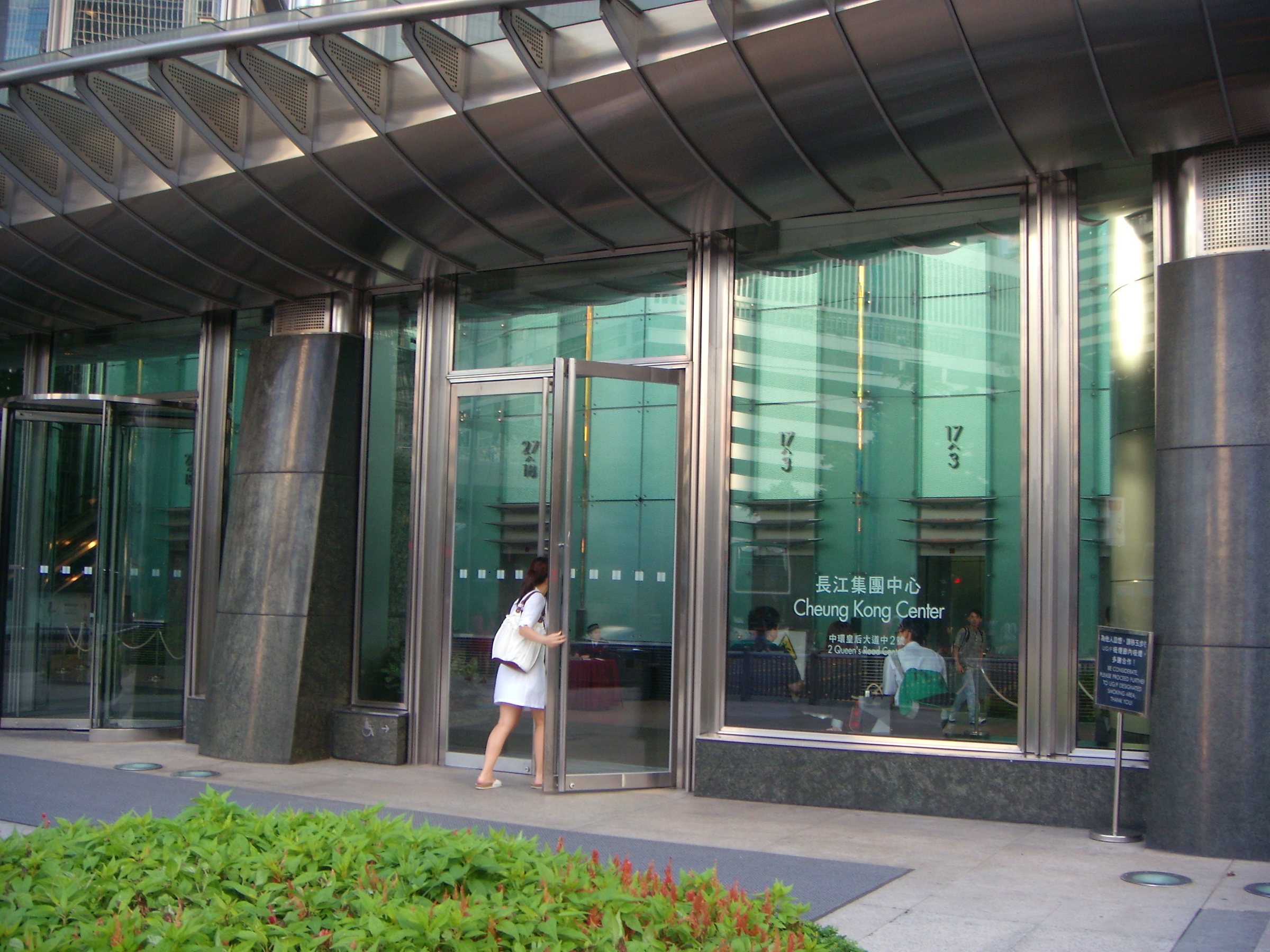
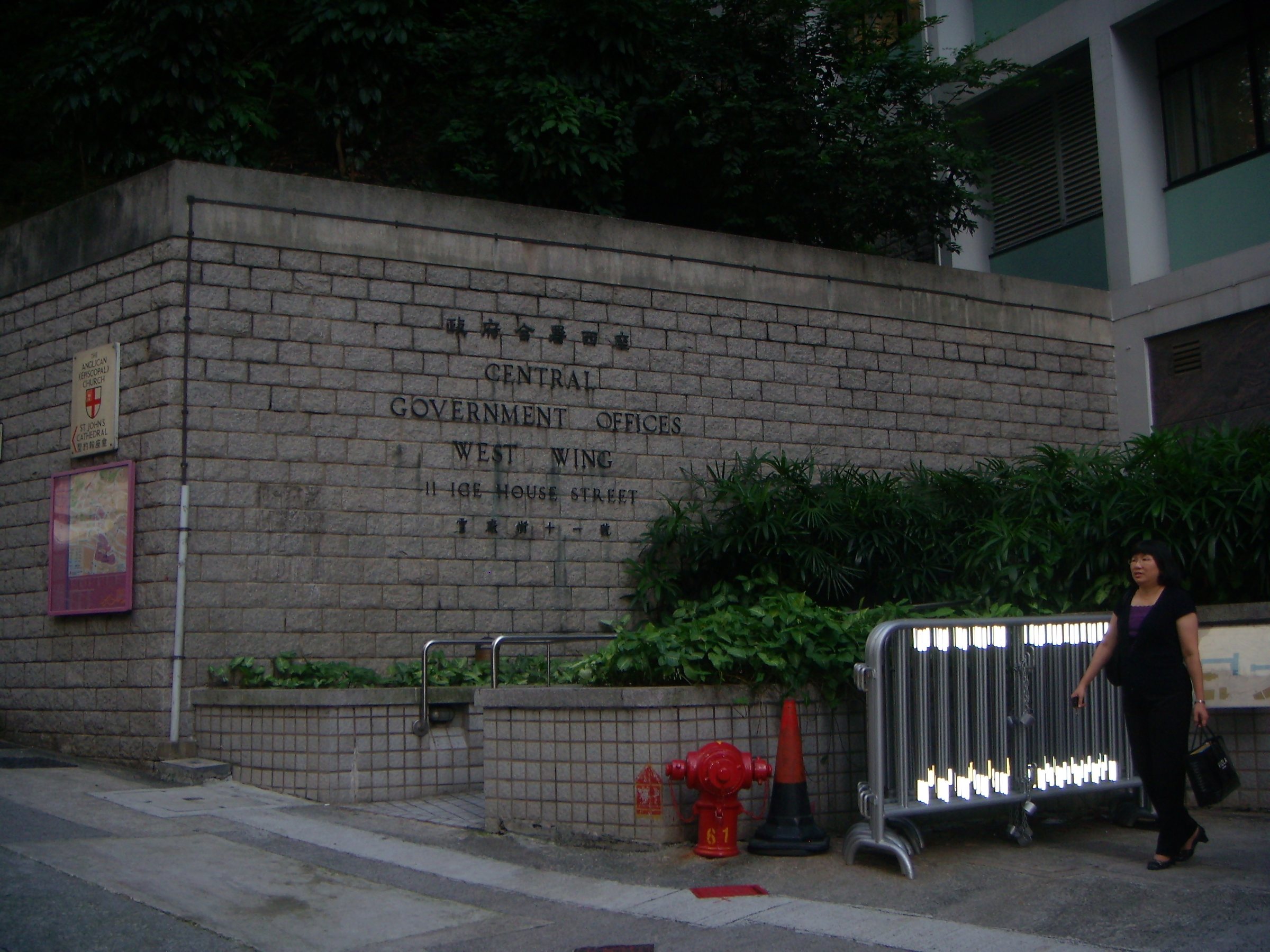
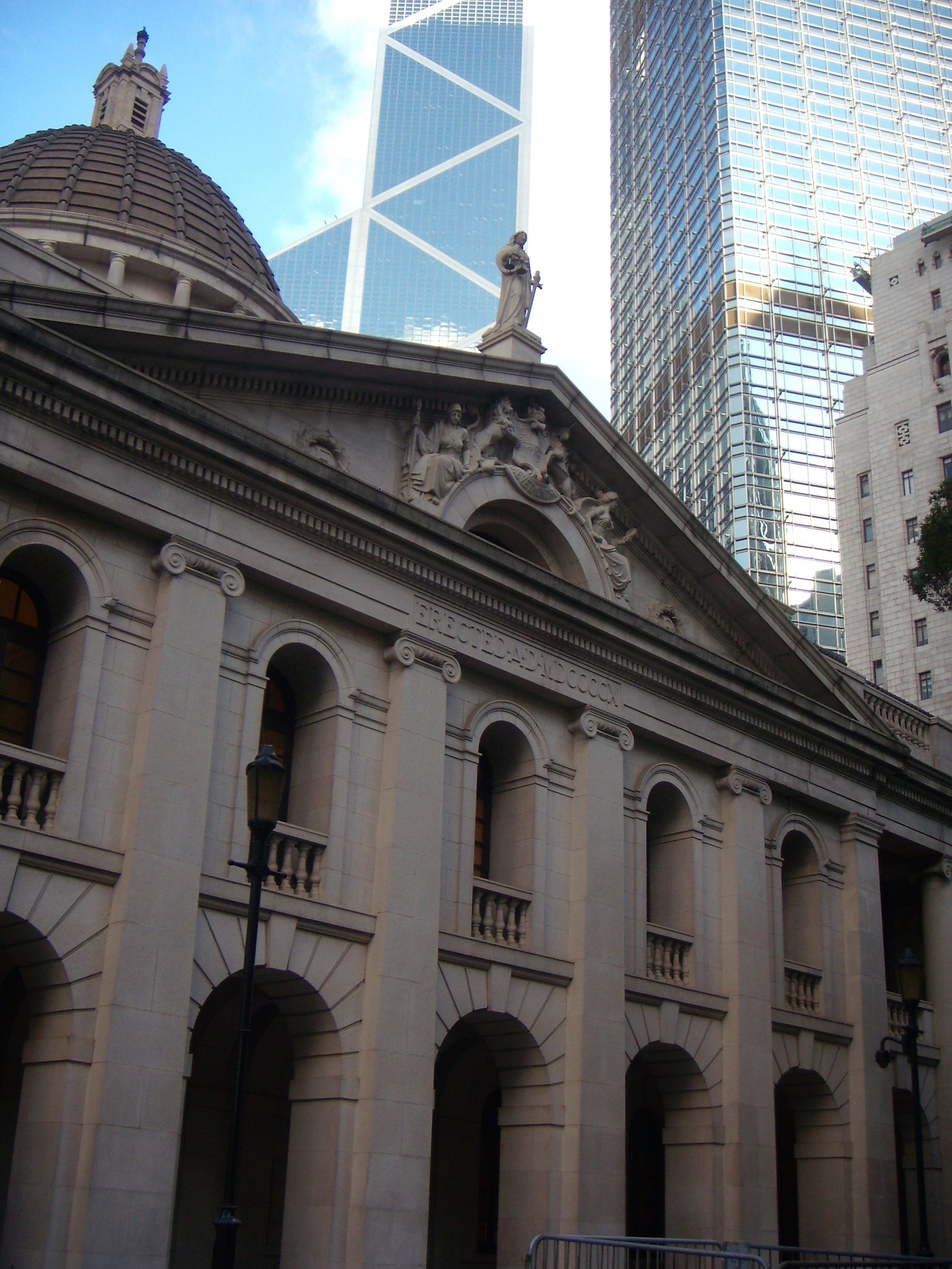
In the midst of major financial centers and banks are Hong Kong’s government offices and newly built Legislative Council building.
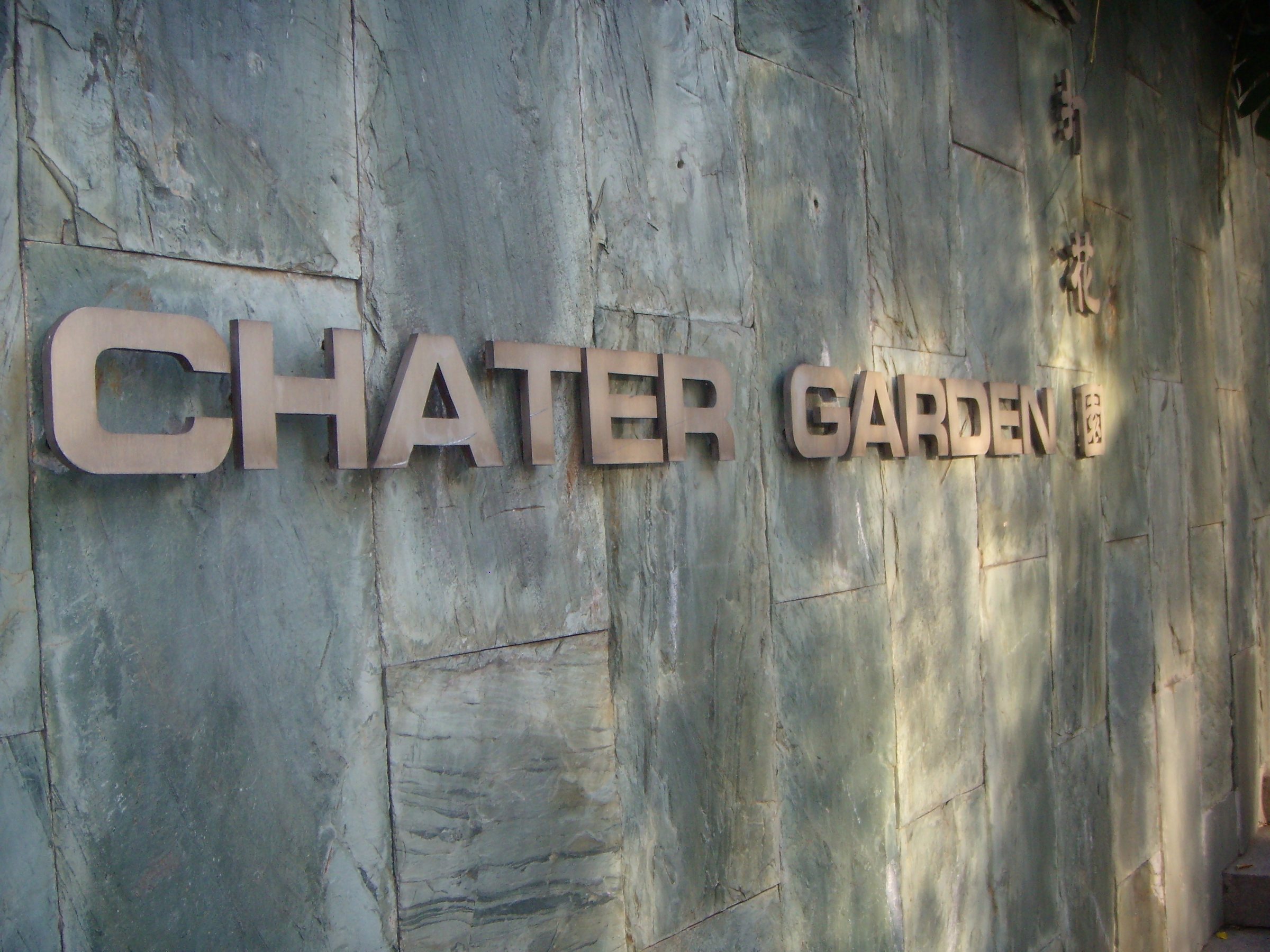
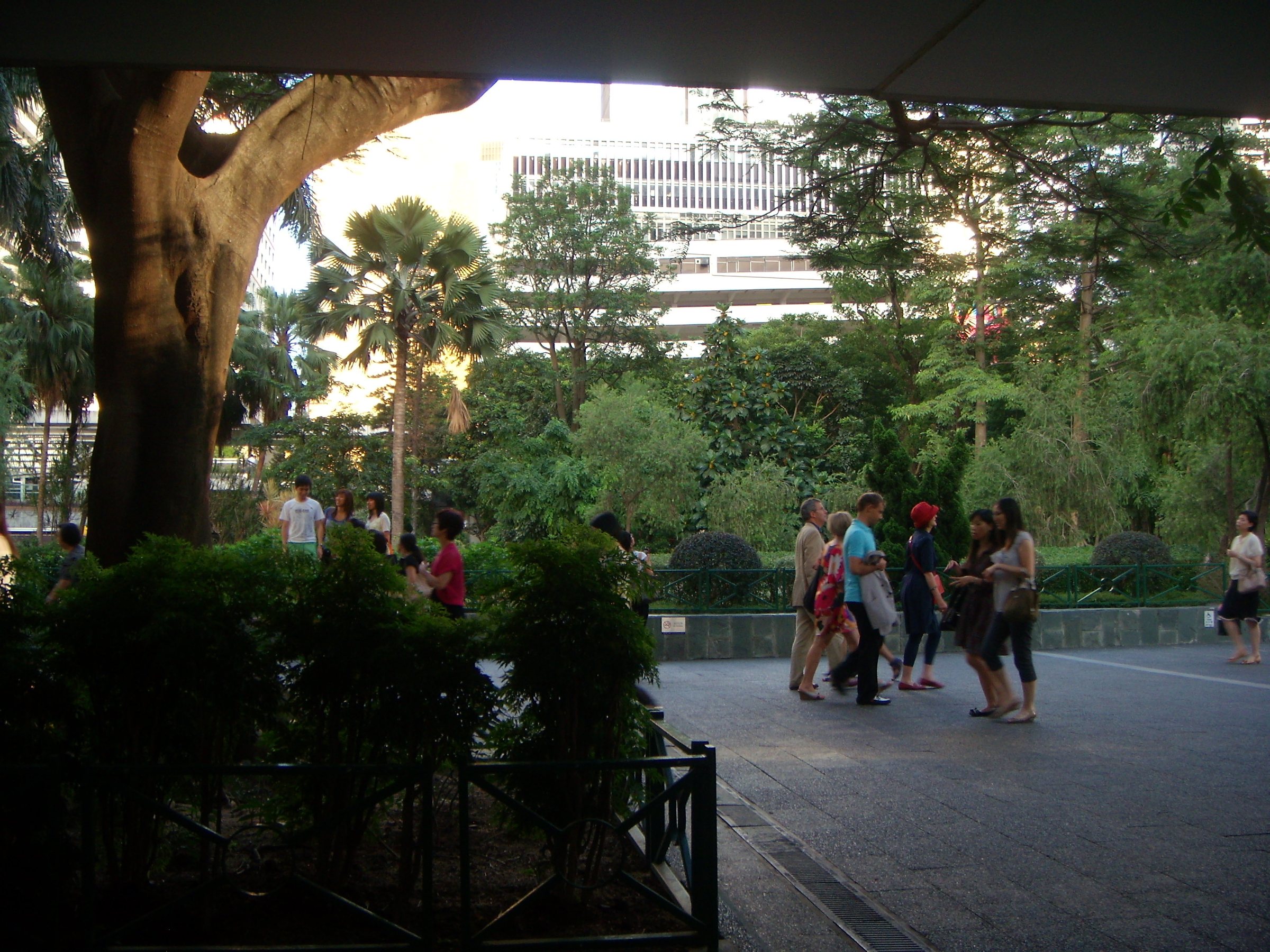
Smack-dab in the middle of all the skyscrapers is Chater Garden, now used for political demonstrations and rallies thanks to its prime location in the Central district by the Legislative Council.
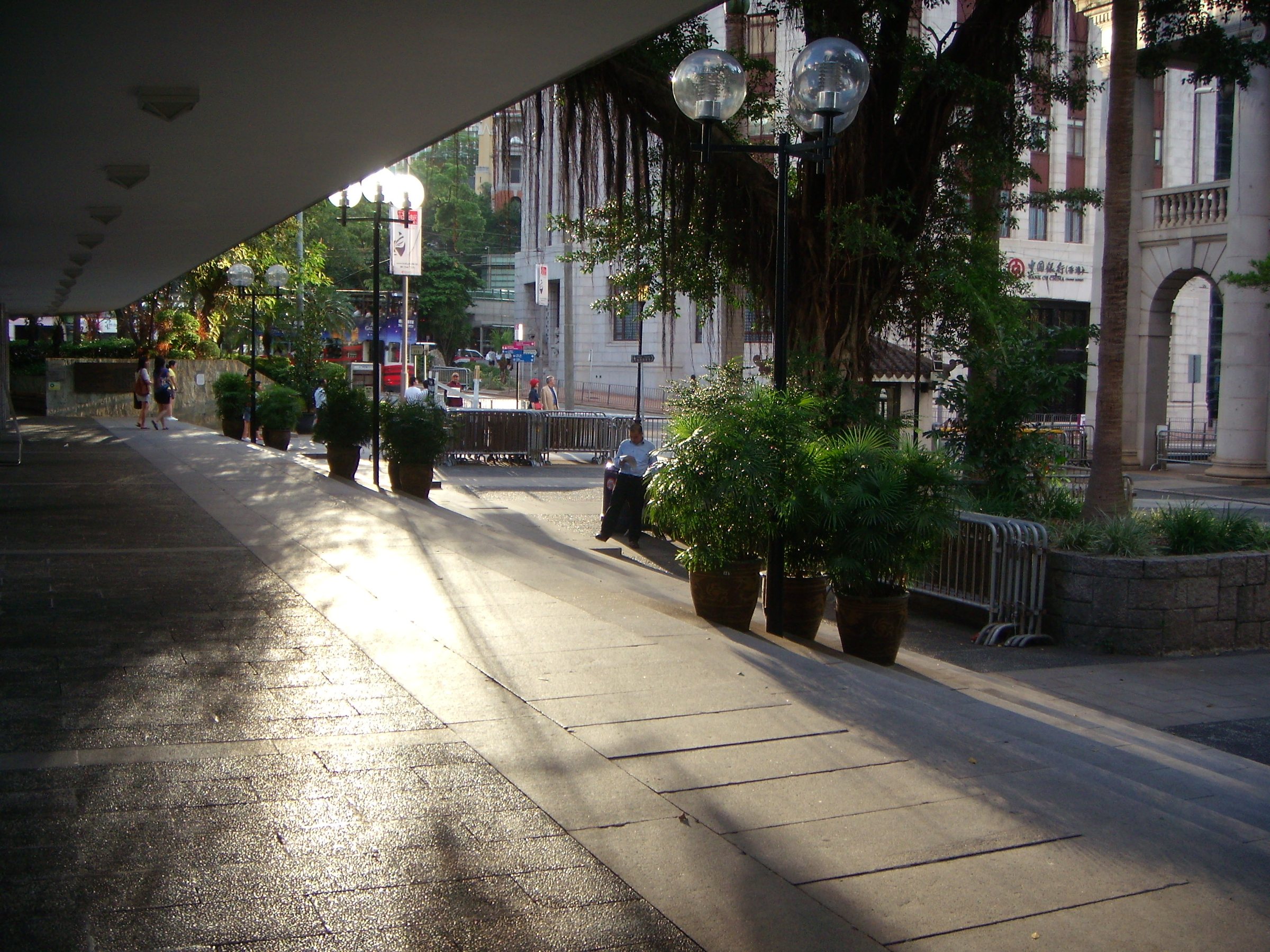
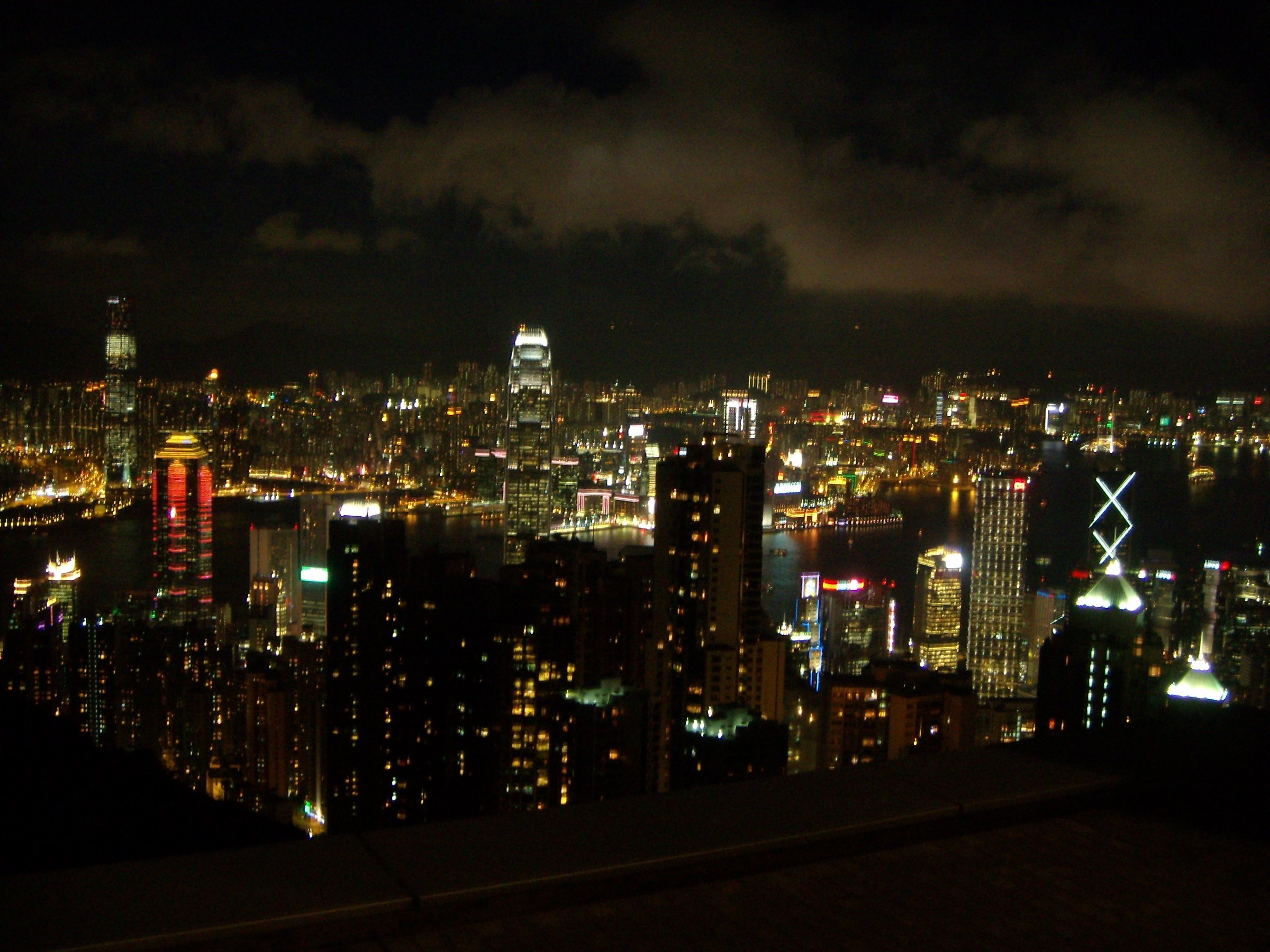
I wanted to eventually work my way to the lower tram terminus where I could catch the tram that would take me up to Victoria’s Peak to catch the Hong Kong skyline by night.
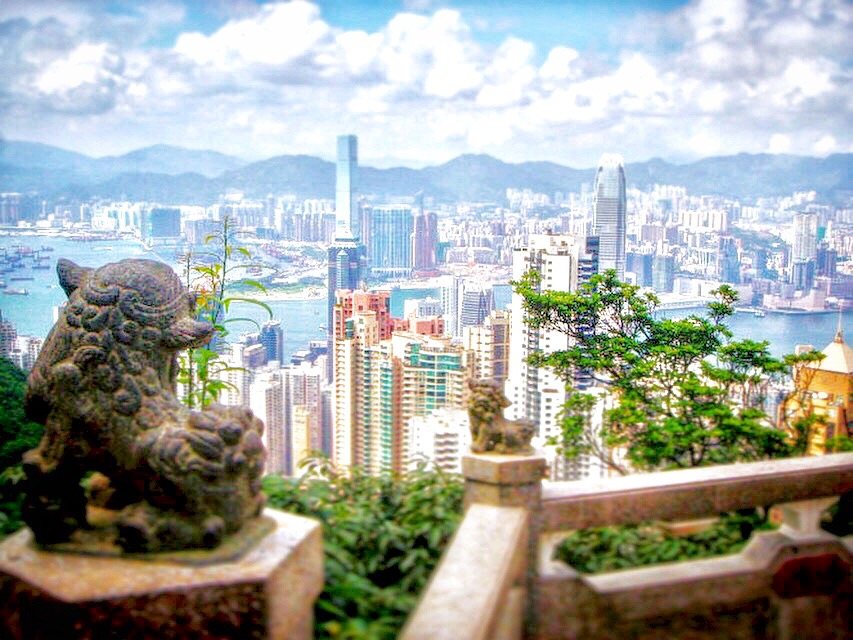
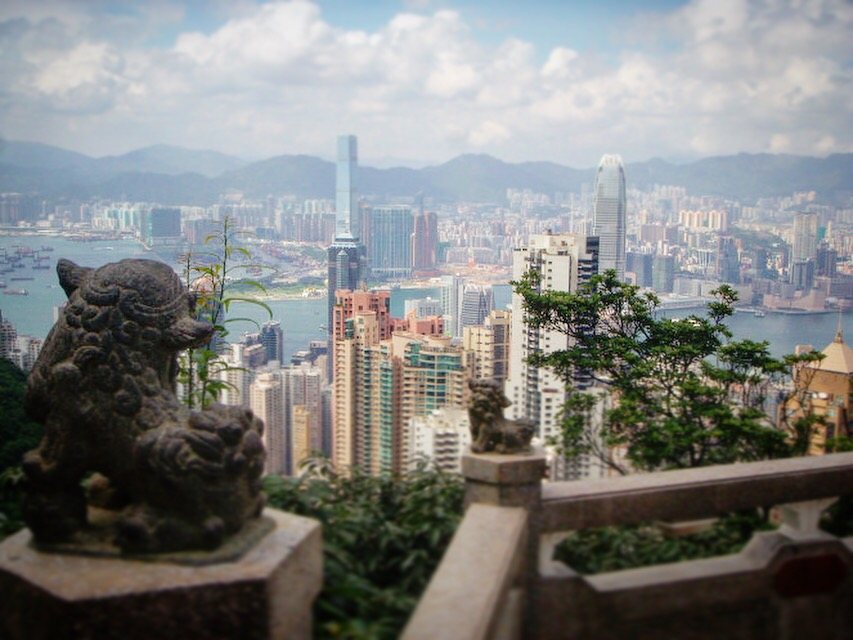
Just as the sun was starting to slip lower, I made my way to the lower peak tram terminus. Since I wasn’t with any tour group, I waited in line for more than an hour to catch this tram to Victoria’s Peak, which is situated 396 meters above sea level and named after Queen Victoria.
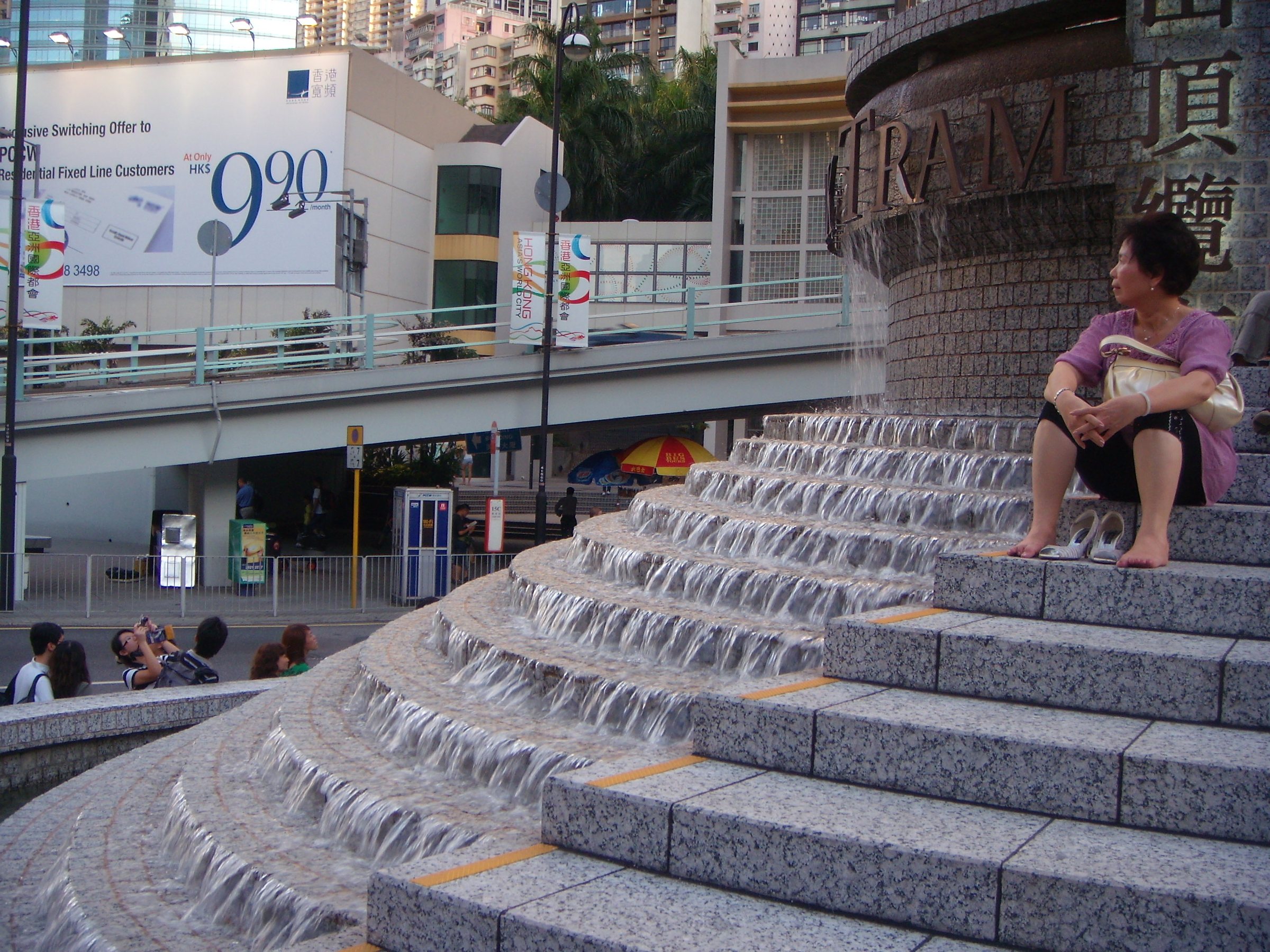
The tram was established in 1888, starting first as a wooden construction with the capacity to seat 30 people. Some of the wealthier families had already started to settle on the peak years earlier as Hong Kong’s population grew, but traveling to the top of the peak required use of a sedan chair hoisted by up to eight coolies. By 1926, a newer steel-and-wood structure could seat up to 52 people, and by 1948, the tram was revamped in steel and aluminum to seat 62. An all-aluminum tram was established in 1959 bumping the tram’s capacity to 72.
The latest version, updated in 1989, is considered a “state of the art” operation, now seating up to 95 people and allowing standing room for 25. While it still uses the same 1,356-meter track it did in the 1880s, the tram’s operating systems and machinery have been upgraded to include an electric motor and three separate braking systems.
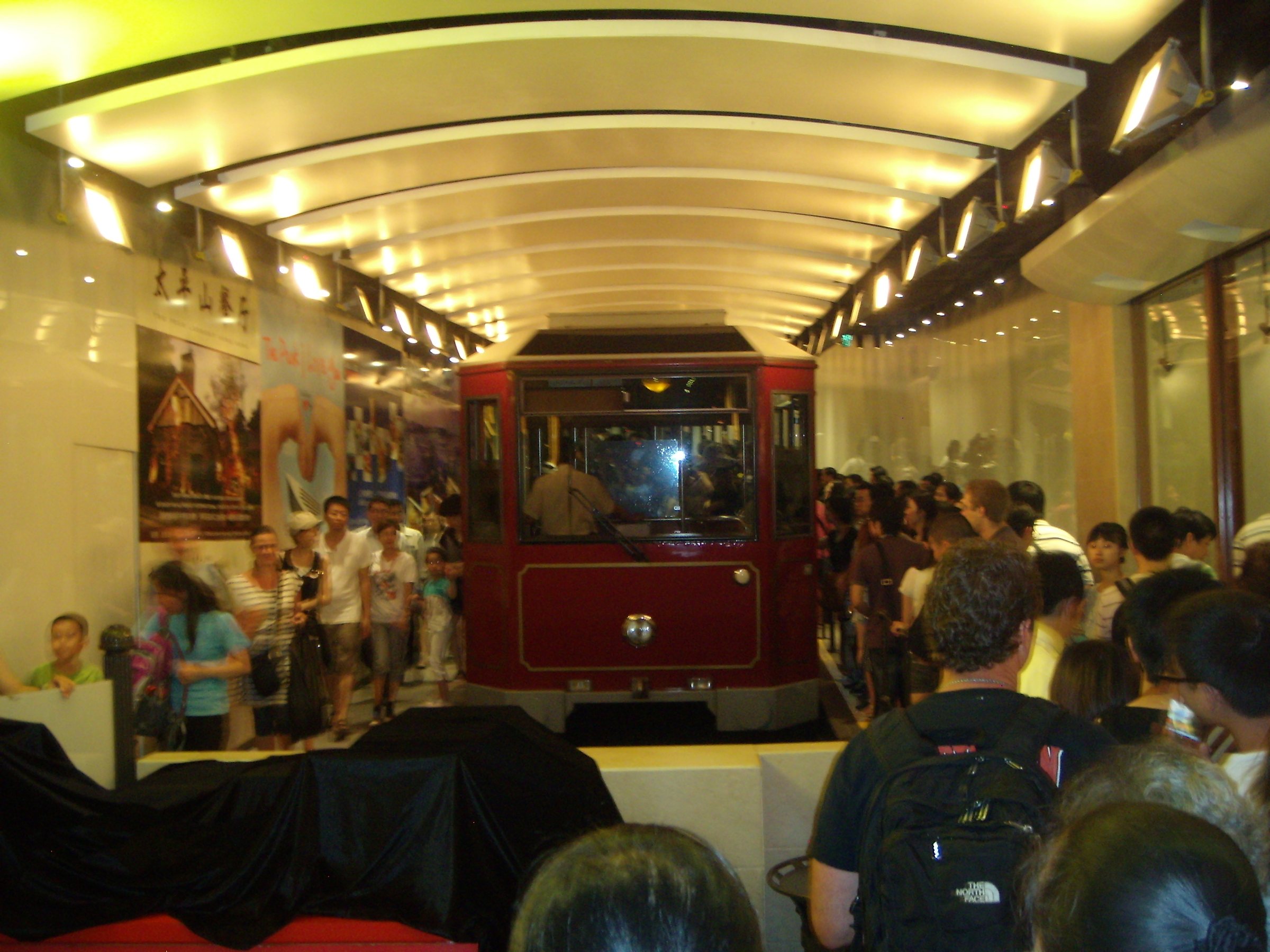
I was glad for those three braking systems, as the tram ride to the to the top was quite steep. However, today, there are other ways to reach the peak: by a foot path and winding road by car or bus.
Whichever route you take, the trip to the peak’s highest point, the Sky Terrace, 428 meters above sea level, is well worth it.
Comments